Wallpapering
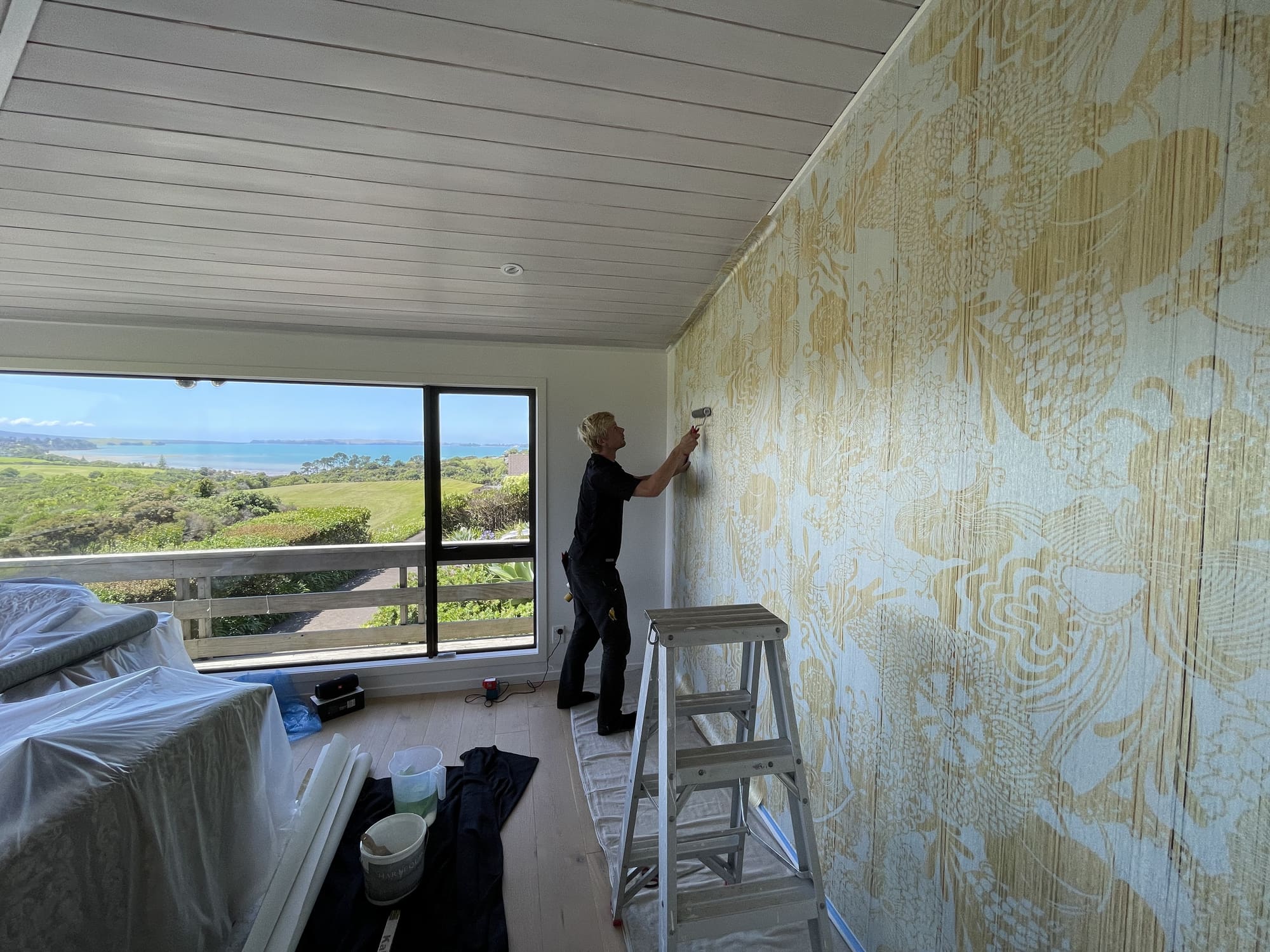
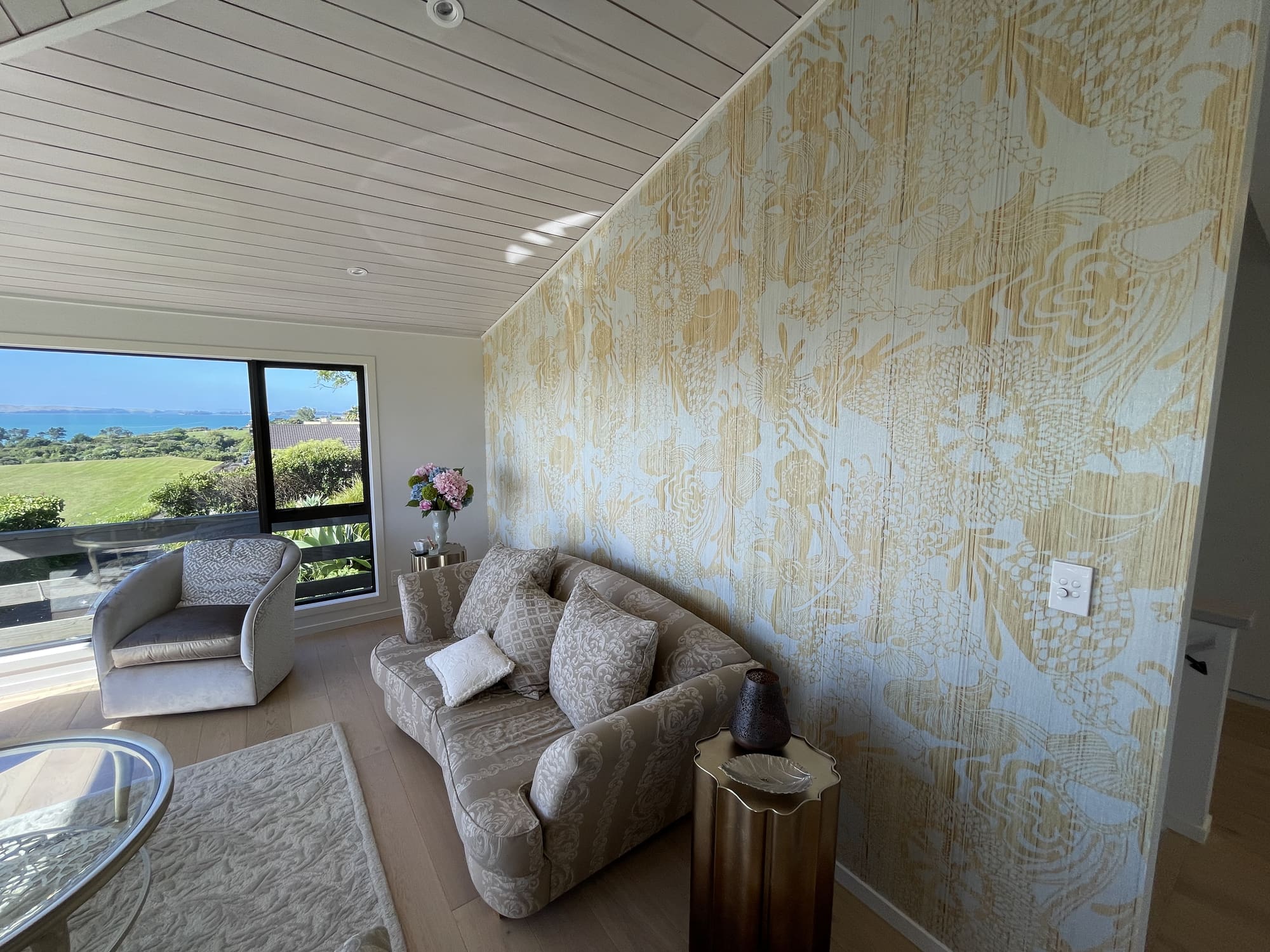
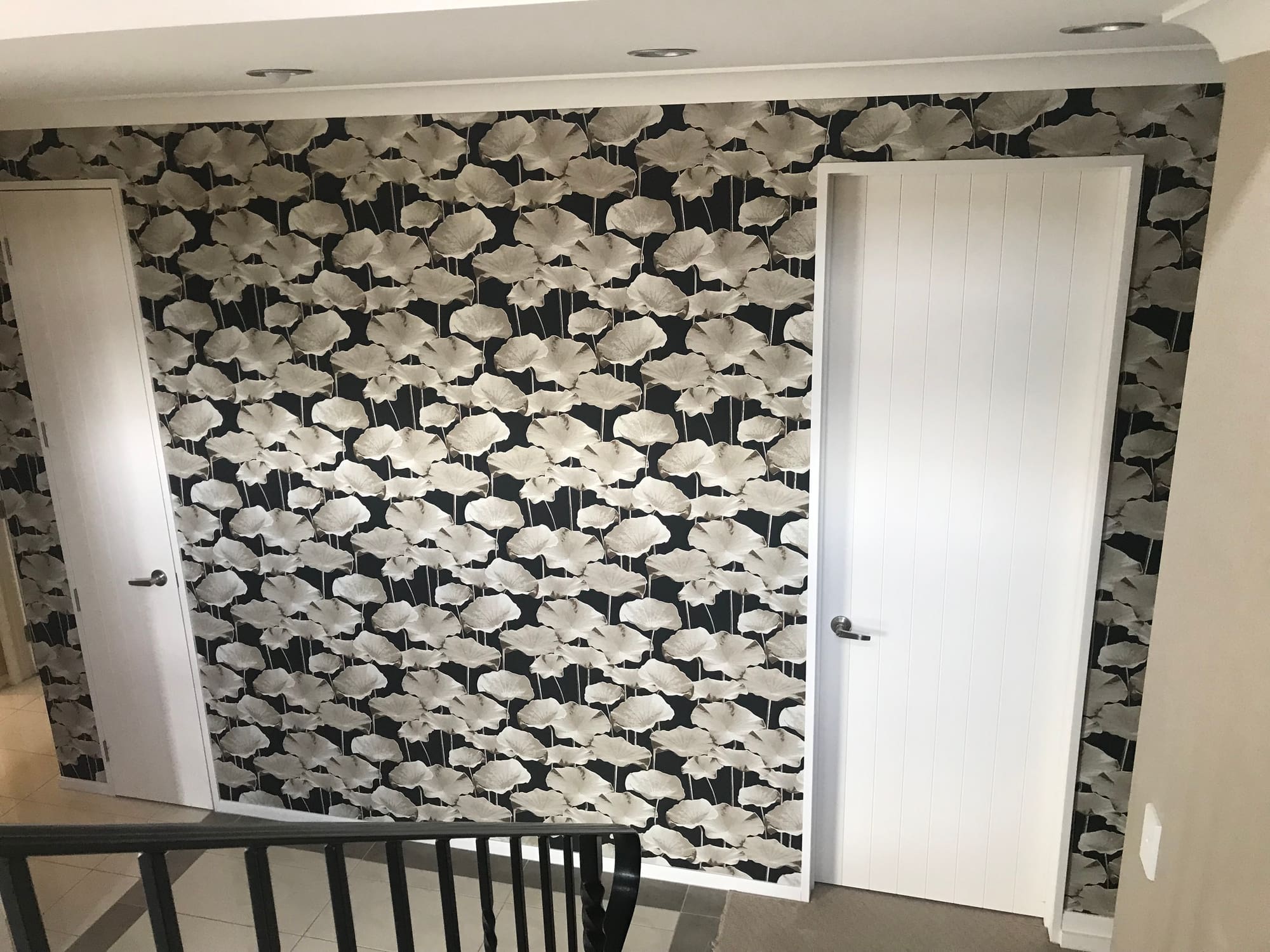
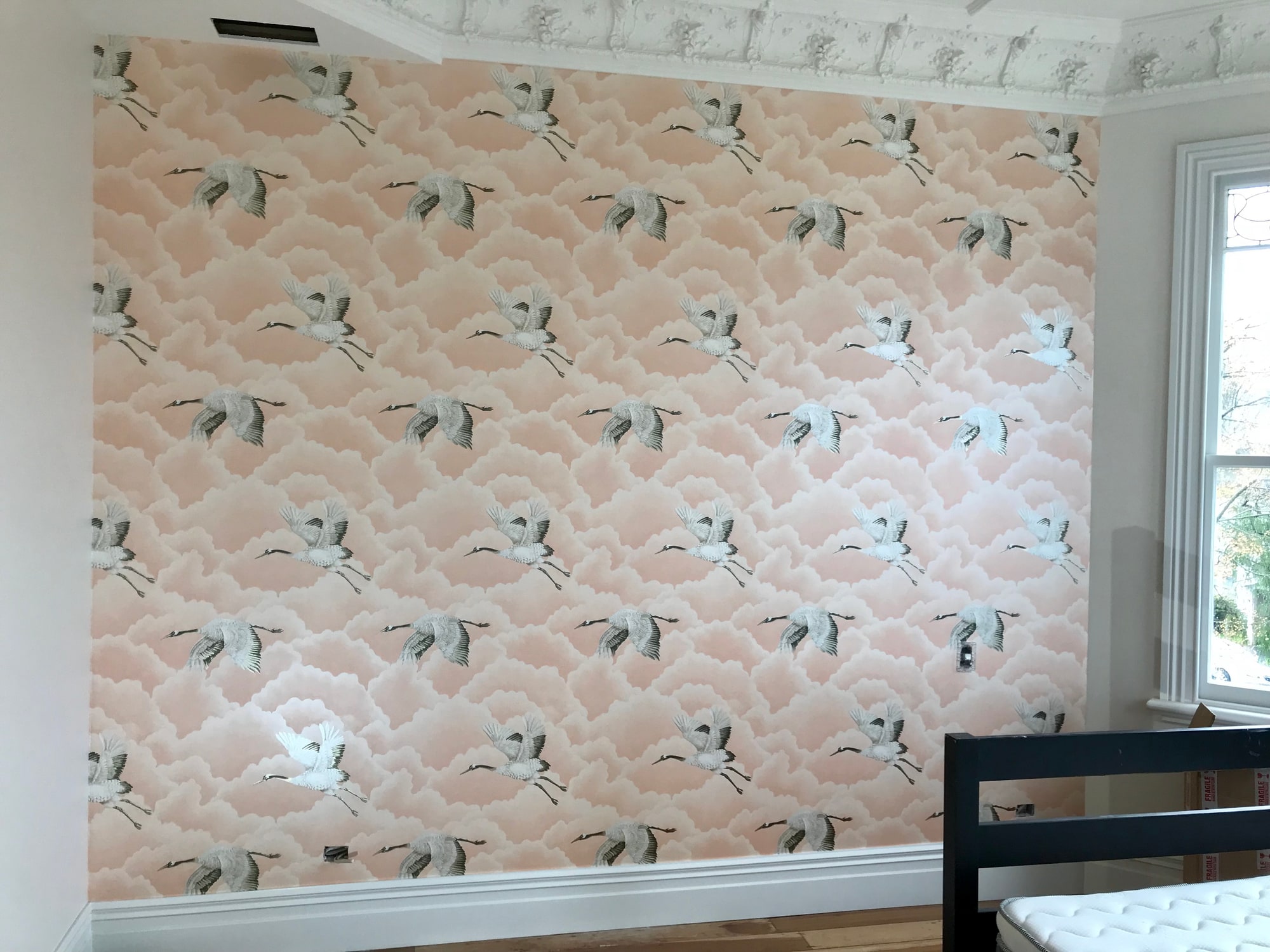
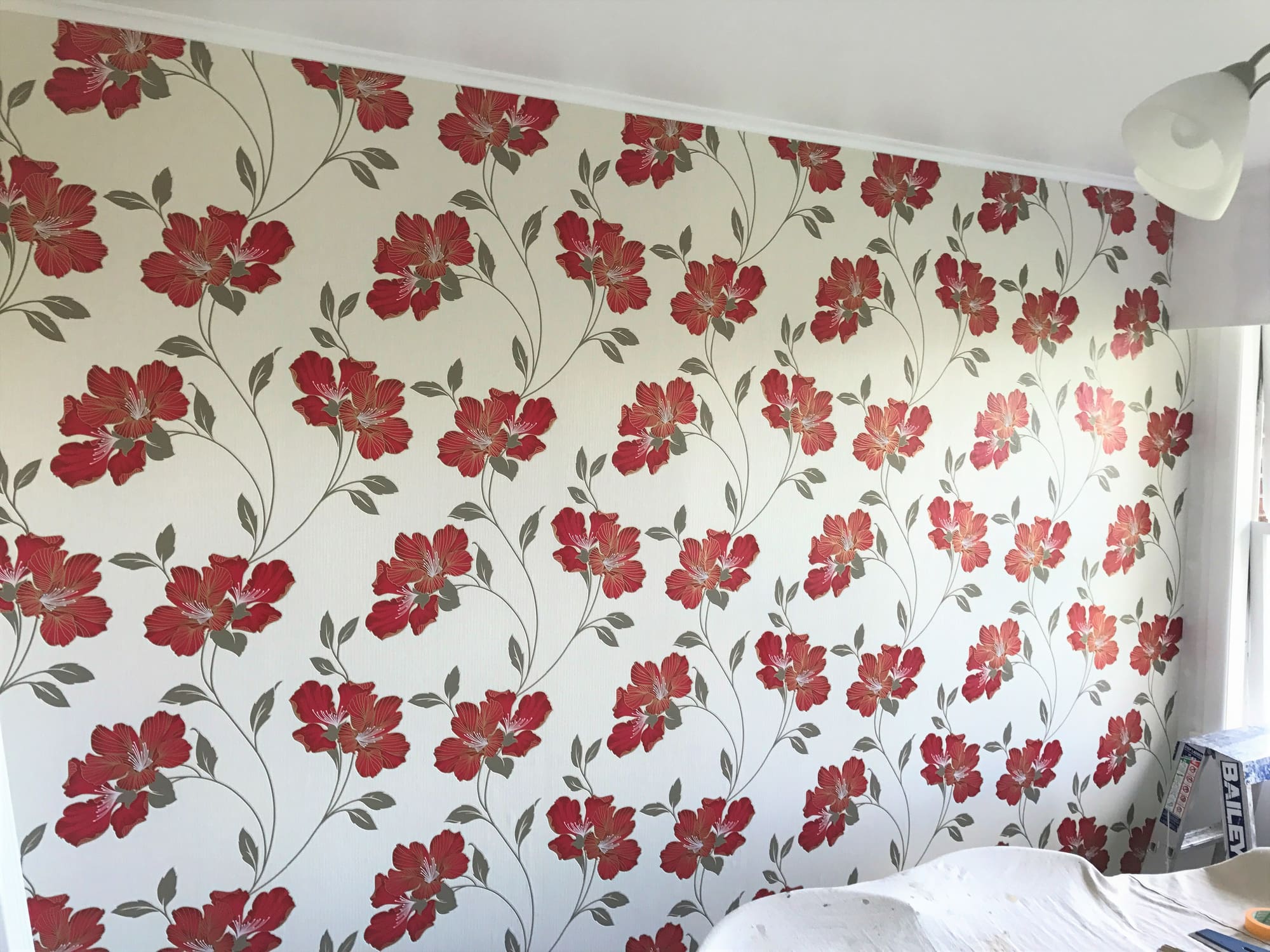
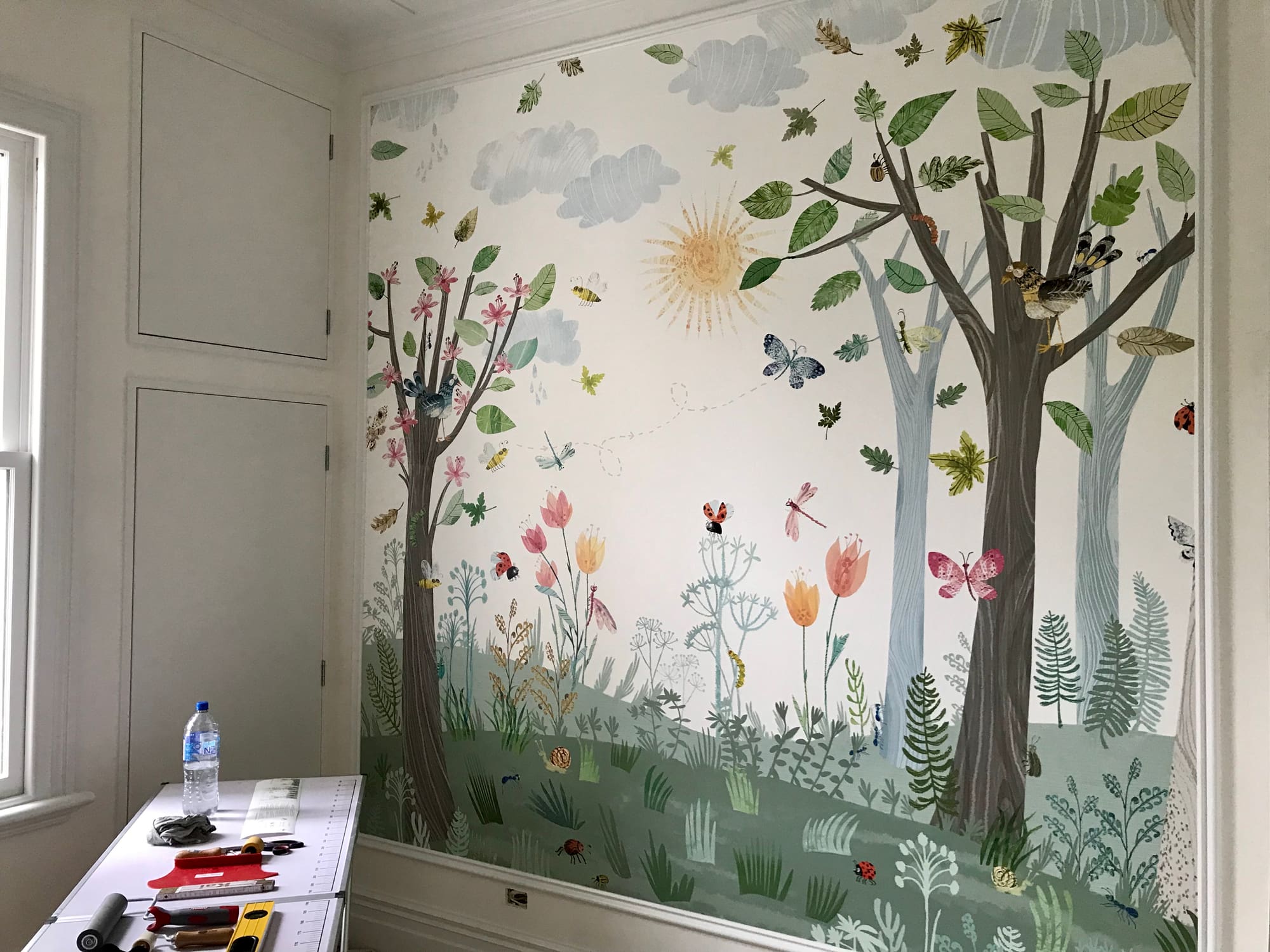
Wallpaper rewards precision more than almost any other finish — a seam out by a millimetre is the difference between a feature wall and a flaw. Every material, from classic paper to commercial-grade metallic mylar, is installed to the same exacting standard, whether it is one wall or an entire building.
The work on the wall
Material and method
Choosing the right material for the wall — and then the right method for that material — is as much of the job as the hanging. These three behave nothing alike.
Paper
The traditional material, and the least forgiving. Paste goes onto the paper and it is left to soak, so the fibres expand before it ever reaches the wall. Hang it a few minutes early and the seams open as it dries.
Non-woven
Dimensionally stable — it does not expand, so there is no soaking. The paste goes straight onto the wall and the length is hung dry. Cleaner to work with, and it strips off in whole sheets years later.
Glass fibre
Woven and tough, for walls that have to take punishment. It is hung and then painted, reinforcing the surface as much as decorating it — which is why it turns up in commercial work.
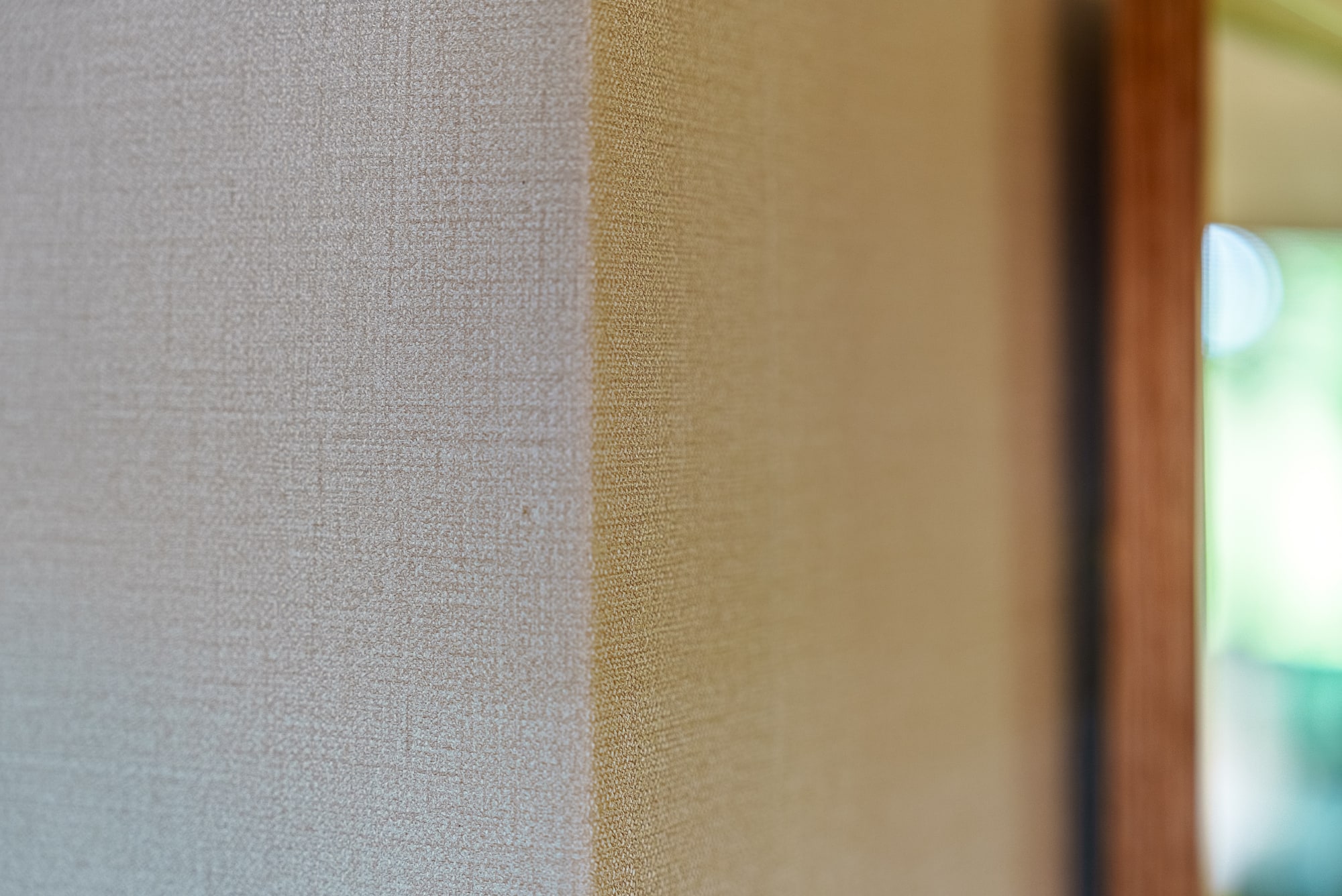
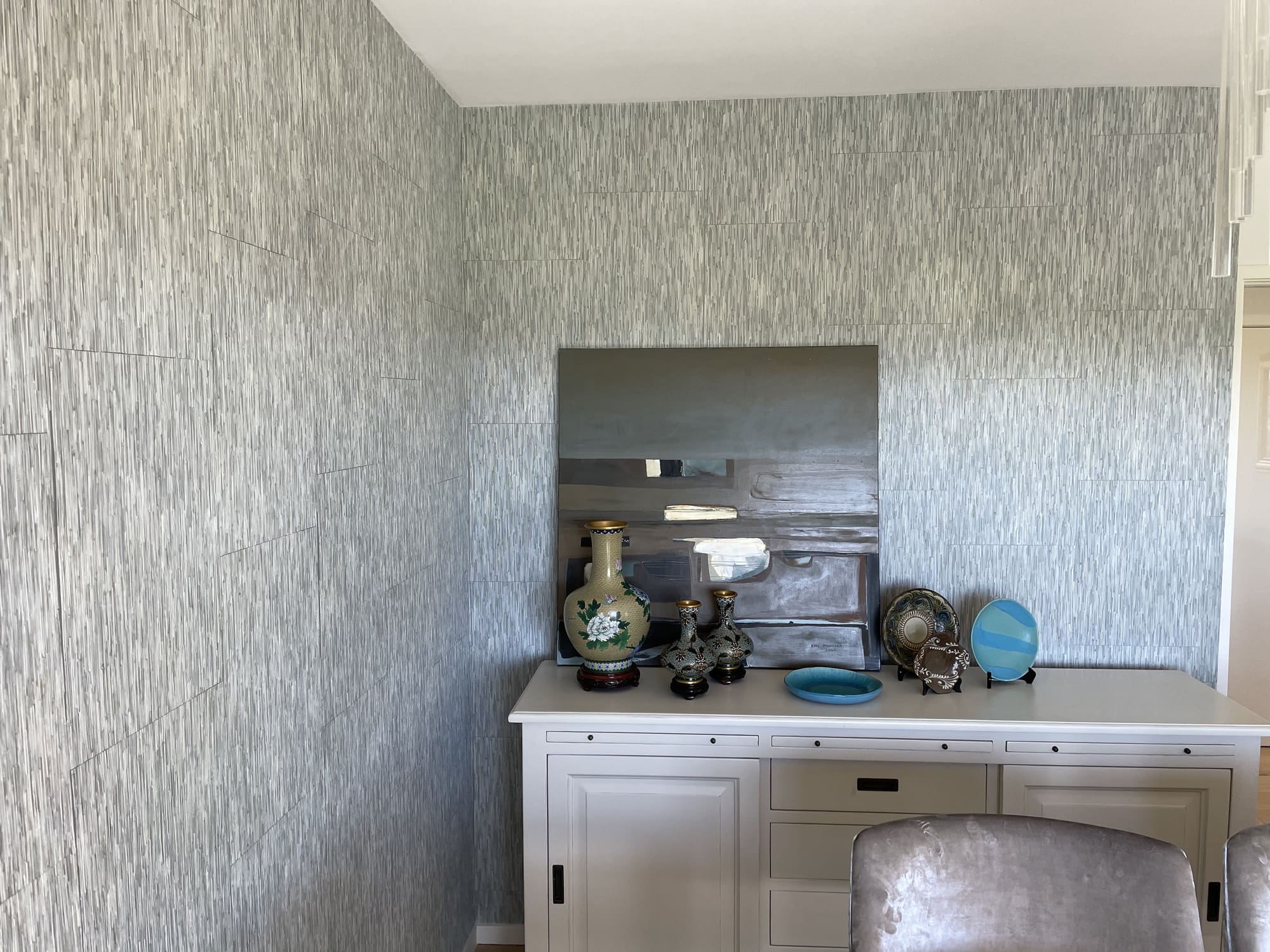
Textured and woven wallcoverings show every fault in the wall behind them, so on those the preparation matters as much as the hang.